Introduction: Demystifying Phone AI
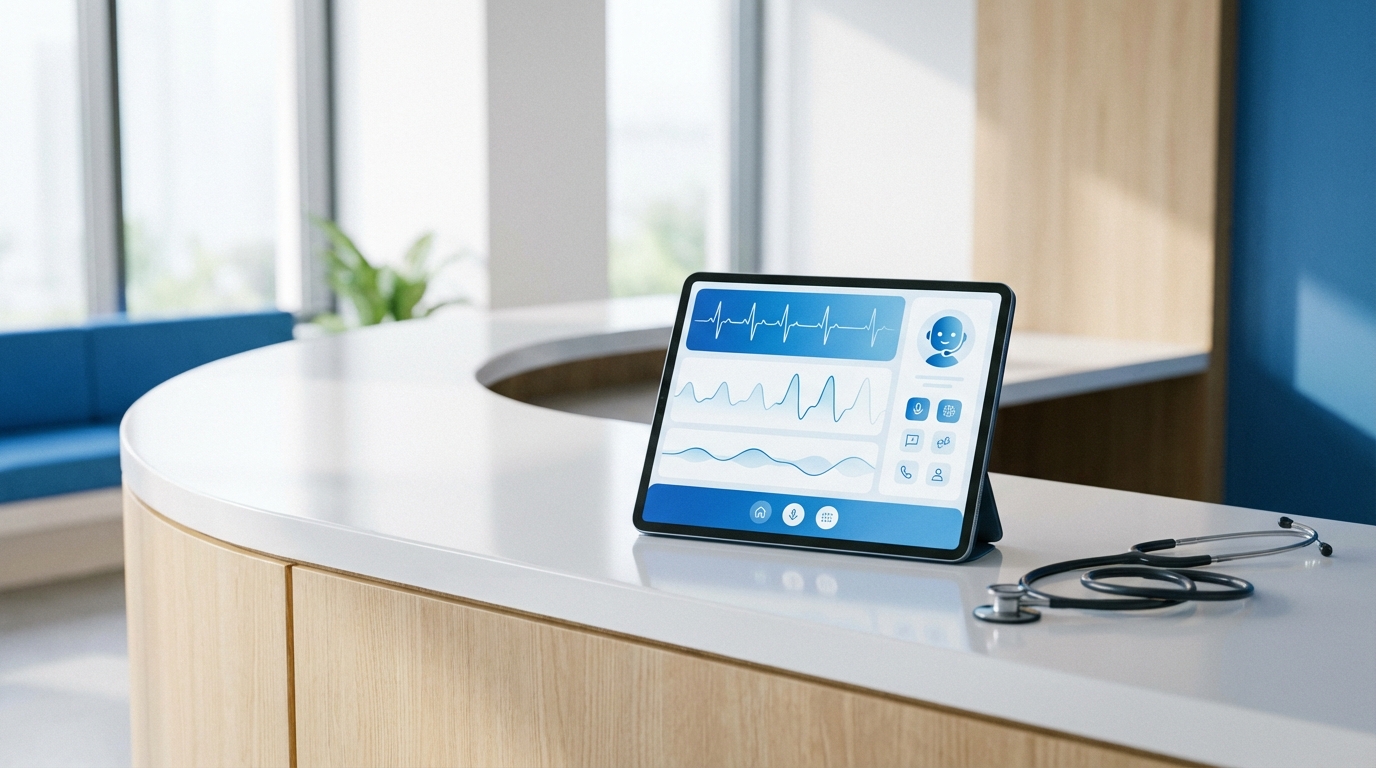
The idea of an AI assistant answering your practice phone may seem like science fiction. In reality, the technology is mature, accessible and already in use in hundreds of medical practices in Switzerland. This guide explains, step by step, how a phone AI assistant like AIAgens actually works.
The Complete Call Flow
Phase 1: Patient Calls
The process begins when a patient dials the practice number. The call is routed through traditional phone network (PSTN) or VoIP, with intelligent routing that can send calls to AI first or staff, with automatic fallback. The system recognizes the patient number via caller ID and retrieves any existing information.
Phase 2: AI Answers and Understands
When AI answers, several processes happen simultaneously:
- Real-time Speech-to-Text: Patient voice is converted to text within milliseconds, with multilingual support detecting Italian, German, French, English and handling Swiss dialects
- Natural Language Processing: Text is analyzed to understand intent (book appointment, prescription request, reschedule) and extract key entities (date, symptoms, urgency)
Phase 3: Calendar Integration
For booking requests, AI interacts with the practice calendar system (Google Calendar, SimplyBook, etc.) to check availability, propose slots, confirm details, create appointments, and send automatic email/SMS confirmations.
The Technology Behind the Scenes
A professional medical AI system like AIAgens is based on advanced language models (Claude Haiku 4.5 or GPT-4), integration APIs (calendar, CRM, telephony), and security systems compliant with GDPR/nFADP featuring end-to-end encryption and Swiss data residency.
The Setup Process
Typical implementation takes 2 weeks:
- Week 1: Information gathering, technical integration with calendar/telephony, prompt customization and knowledge base setup
- Week 2: Team testing, adjustments, gradual launch in hybrid mode
- Weeks 3-4: Continuous optimization based on transcript analysis
Handling Complex Requests
AI is programmed to recognize situations requiring human intervention:
- Medical emergencies: Directs to emergency services (144) and transfers immediately
- Complex medical requests: Transfers to qualified staff
- Emotionally distressed patients: Prioritizes transfer for empathetic support
- Out-of-scope requests: Routes correctly according to policies
Continuous Monitoring and Improvement
After launch, the system includes analytics dashboard (performance metrics, sentiment analysis), access to transcripts for quality assurance, and automatic updates without downtime.
Limitations to Know
AI CANNOT:
- Diagnose or prescribe (only licensed physicians)
- Access medical records (for privacy)
- Provide medical advice (only collect info for triage)
- Handle complex payments
The Human Factor Remains Essential
AI is an assistant, not a replacement. Human staff remain fundamental for supervision, escalation, empathy, clinical judgment and continuous system customization.
Costs and ROI
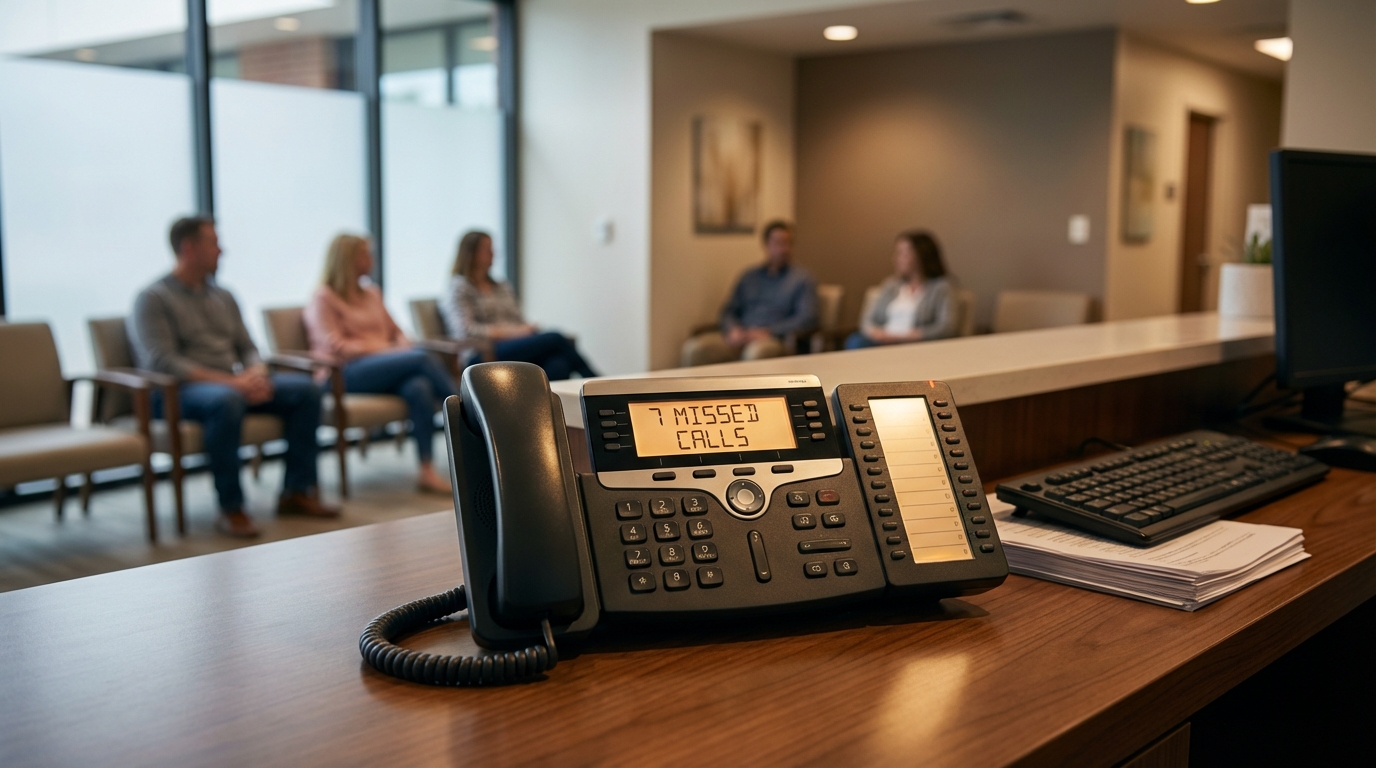
An AI system like AIAgens costs CHF 399/month for 1000 minutes. Handling ~100 calls/month and recovering ~30 calls that would otherwise be lost, ROI becomes positive from the first month for most practices.
Explore our plans and pricing or contact us for a personalized system demo.
Conclusion: Technology Serving Humans
A phone AI assistant isn't magic, but solid engineering applied to a real problem: ensuring every patient receives attention when they need it, without overloading practice staff.